
In recent years, mobile commerce has emerged as a transformative force within the retail landscape of Britain. As smartphones have become ubiquitous, the way consumers shop has evolved dramatically. Mobile commerce, often referred to as m-commerce, encompasses a wide range of activities conducted via mobile devices, including shopping, banking, and social networking.
This shift represents a fundamental change in consumer behaviour and expectations. With the convenience of shopping at one’s fingertips, British consumers are increasingly utilising their mobile devices for shopping experiences. The rise of mobile commerce reflects broader technological advancements and changing societal patterns.
The integration of high-speed internet, improved mobile technology, and the proliferation of applications have all contributed to this phenomenon. Consequently, retailers are required to adapt their strategies to meet the demands of a mobile-oriented consumer base. This article examines the growth of mobile shopping in the UK, its impact on retailers, and the various factors driving this evolution in commerce.
Summary
- Mobile commerce is rapidly expanding across Britain, transforming shopping habits.
- UK retailers are adapting to increased mobile shopping by enhancing digital platforms.
- Mobile apps play a crucial role in boosting customer engagement and sales.
- Mobile-friendly websites and contactless payments are essential for modern e-commerce success.
- Consumer trends indicate a growing preference for seamless, convenient mobile shopping experiences.
The Growth of Mobile Shopping in the UK
The growth of mobile shopping in the UK has been nothing short of remarkable. According to recent statistics, mobile devices account for a significant portion of online retail sales, with many consumers preferring to shop via their smartphones rather than traditional desktop computers. This shift can be attributed to several factors, including the increasing penetration of smartphones and the rise of social media platforms that facilitate shopping experiences.
As more consumers become comfortable with making purchases on their mobile devices, retailers are recognising the need to optimise their offerings for this growing demographic. Moreover, the COVID-19 pandemic accelerated the adoption of mobile shopping as lockdowns forced consumers to seek alternative ways to shop. Many turned to their smartphones for everything from groceries to fashion, leading to a surge in mobile transactions.
Retailers who had already invested in mobile-friendly platforms were better positioned to capitalise on this trend, while others scrambled to catch up. This rapid growth has prompted businesses to rethink their strategies and invest in technologies that enhance the mobile shopping experience.
The Impact of Mobile Commerce on Retailers
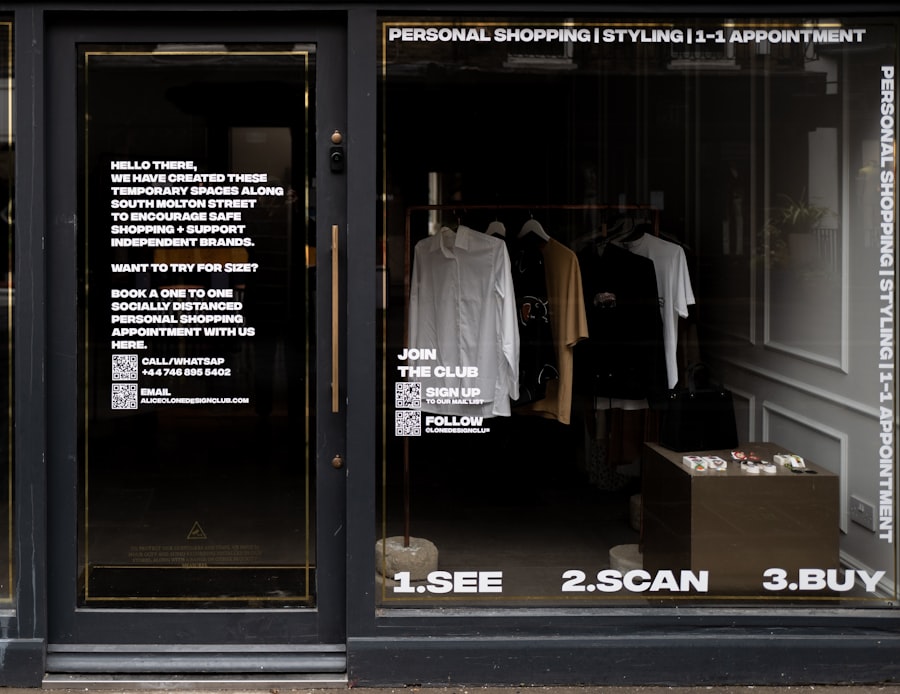
The impact of mobile commerce on retailers in Britain has been profound and multifaceted. For one, it has reshaped how businesses approach marketing and customer engagement. Retailers are now focusing on creating personalised experiences that cater specifically to mobile users.
This includes targeted advertising through social media platforms and tailored promotions that resonate with consumers’ preferences and behaviours. As a result, businesses are not only reaching a wider audience but also fostering deeper connections with their customers. Additionally, mobile commerce has introduced new challenges for retailers.
The competition is fierce, with numerous brands vying for attention in an increasingly crowded marketplace. Retailers must ensure that their mobile platforms are not only user-friendly but also secure, as concerns about data privacy and security continue to loom large in consumers’ minds. Furthermore, businesses must stay abreast of technological advancements and consumer trends to remain relevant in this fast-paced environment.
Those who can successfully navigate these challenges stand to benefit significantly from the growing trend of mobile commerce.
The Role of Mobile Apps in Driving Mobile Commerce
Mobile apps play a pivotal role in driving mobile commerce forward in Britain. These applications offer a streamlined shopping experience that is often more efficient than browsing through a website on a mobile browser. With features such as push notifications, personalised recommendations, and easy access to loyalty programmes, apps can significantly enhance customer engagement and retention.
Retailers that invest in developing robust mobile applications are likely to see higher conversion rates and increased customer loyalty. Moreover, apps provide retailers with valuable data insights into consumer behaviour. By analysing how users interact with their app, businesses can gain a deeper understanding of preferences and shopping habits.
This information can be leveraged to refine marketing strategies and improve product offerings. As more consumers download and use shopping apps, retailers have an unprecedented opportunity to create tailored experiences that resonate with their audience, ultimately driving sales and fostering brand loyalty.
The Importance of Mobile-Friendly Websites for E-Commerce
While mobile apps are essential for enhancing the shopping experience, having a mobile-friendly website is equally crucial for e-commerce success. A significant number of consumers still prefer browsing through websites rather than using apps, making it imperative for retailers to ensure their sites are optimised for mobile devices. A responsive design that adapts seamlessly to various screen sizes can significantly improve user experience and reduce bounce rates.
Furthermore, search engines like Google prioritise mobile-friendly websites in their rankings, meaning that retailers who neglect this aspect may find themselves at a disadvantage in terms of visibility. A well-optimised mobile site not only enhances user experience but also boosts search engine optimisation (SEO) efforts. As more consumers turn to their smartphones for online shopping, retailers must prioritise creating an engaging and efficient mobile web experience to capture this growing market segment.
The Rise of Contactless Payments and Mobile Wallets

The rise of contactless payments and mobile wallets has further propelled the growth of mobile commerce in Britain. With the advent of technologies such as Near Field Communication (NFC), consumers can now make purchases quickly and securely using their smartphones or smartwatches. This convenience has been particularly appealing during the pandemic when contactless transactions became a preferred method for many shoppers seeking to minimise physical contact.
Mobile wallets like Apple Pay and Google Pay have gained traction among consumers due to their ease of use and enhanced security features. These platforms allow users to store multiple payment methods securely on their devices, making transactions faster and more efficient. Retailers who accept these payment methods not only cater to consumer preferences but also position themselves as forward-thinking businesses that embrace innovation.
As contactless payments continue to gain popularity, they will undoubtedly play a significant role in shaping the future landscape of mobile commerce.
Consumer Behaviour and Trends in Mobile Commerce
Understanding consumer behaviour is essential for retailers looking to thrive in the realm of mobile commerce. Recent studies indicate that British consumers are increasingly influenced by social media when making purchasing decisions. Platforms like Instagram and TikTok have become powerful tools for brands to showcase their products and engage with potential customers directly.
This trend highlights the importance of integrating social media strategies into mobile commerce efforts. Additionally, there is a growing emphasis on sustainability among consumers, particularly younger generations who prioritise ethical shopping practices. Retailers that align their offerings with these values—such as promoting eco-friendly products or transparent supply chains—are likely to resonate more with today’s conscientious shoppers.
As consumer preferences continue to evolve, businesses must remain agile and responsive to these trends to maintain relevance in an ever-changing market.
The Future of Mobile Commerce in Britain
Looking ahead, the future of mobile commerce in Britain appears bright and full of potential. As technology continues to advance, we can expect further innovations that will enhance the shopping experience for consumers. Augmented reality (AR) and virtual reality (VR) are poised to play significant roles in transforming how people shop online, allowing them to visualise products in their own environments before making a purchase.
Moreover, as 5G technology becomes more widespread, it will enable faster internet speeds and improved connectivity for mobile users. This advancement will likely lead to even more sophisticated mobile shopping experiences, including real-time inventory updates and enhanced customer service options through chatbots or live support features. Retailers who embrace these technological advancements will be well-positioned to capture the attention of an increasingly tech-savvy consumer base.
In conclusion, mobile commerce is reshaping the retail landscape in Britain at an unprecedented pace. With its rapid growth driven by changing consumer behaviours and technological advancements, retailers must adapt their strategies accordingly. By investing in mobile-friendly websites, robust apps, and innovative payment solutions, businesses can thrive in this dynamic environment while meeting the evolving needs of their customers.
The future holds exciting possibilities for mobile commerce, making it an essential focus for retailers looking to succeed in an increasingly digital world.
Mobile commerce in Britain has seen significant growth in recent years, driven by the increasing reliance on smartphones for shopping. As consumers become more accustomed to making purchases on their mobile devices, businesses must adapt their strategies to remain competitive. For insights on how to enhance your online presence and attract more customers, you might find this article on compelling business web design particularly useful. It discusses key elements that can help businesses optimise their websites for mobile users, ultimately improving their mobile commerce performance.
