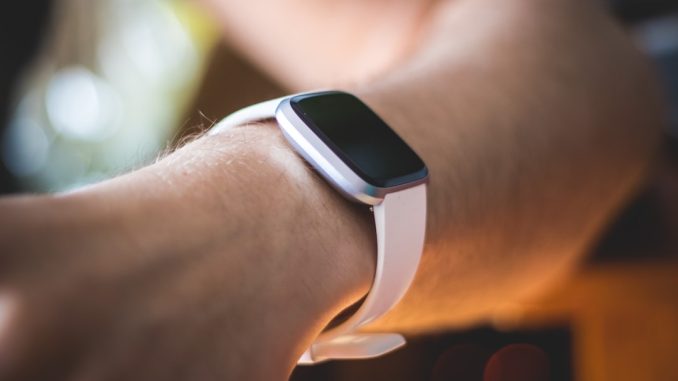
The fitness tracker market is a crowded one, isn’t it? We’ve all seen the glossy adverts and the sleek designs, all promising to unlock our inner athlete and transform our well-being. But with new gadgets popping up all the time, it can feel like navigating a minefield trying to pick the right one. Today, we’re diving deep into a particularly interesting upcoming showdown: the Luna Band vs. the Fitbit Air.
Fitbit, as a brand, needs little introduction. They’ve been a dominant force in the wearable tech space for years, consistently delivering reliable and user-friendly devices. The Fitbit Air, their latest offering, builds on this legacy, aiming to integrate seamlessly into our lives and provide comprehensive health insights. But a new challenger has entered the ring, and it’s bringing a rather different approach. The Luna Band, with its AI-powered “LifeOS” and voice-first interaction, is aiming to shake things up.
This isn’t just about who can count steps the fastest. We’re going to dissect these two devices, considering their features, pricing, battery life, and overall market positioning, all from a UK perspective. So, grab a cuppa, and let’s get down to the nitty-gritty of this ultimate fitness tracker showdown.
First things first, let’s talk brass tacks. When you’re looking at a new gadget, especially something you’re going to be wearing every day, the price is a significant factor. We all want good value, and in the UK, we’re particularly keen on a bargain!
Fitbit Air: The Established Player’s Entry
Fitbit has always aimed for accessibility, and their pricing generally reflects that. The Fitbit Air is no exception. Launched with a competitive price tag of $99.99, which at today’s exchange rates (always a bit of a moving target, isn’t it?) hovers around the £80 mark, it positions itself as an affordable entry into the Fitbit ecosystem. This is a smart move, especially for those who are new to fitness trackers or looking for a reliable upgrade without breaking the bank.
While the initial outlay is attractive, it’s important to also consider the ongoing costs. The Fitbit Air comes bundled with a three-month trial of Google Health Premium. After that, if you want to access the more advanced coaching and insights, you’ll need to subscribe. This subscription model is a common strategy, and it’s something to factor into your long-term budget. For some, the premium features might be well worth the monthly fee, but for others, the basic functionality might be sufficient.
Luna Band: The Ambitious Newcomer
The Luna Band, on the other hand, is entering the market with a different pricing strategy. It’s slated for release in late July 2026, with pre-orders opening on July 4th. The expected price is around £115, or $149. This puts it in a slightly higher price bracket than the Fitbit Air at launch.
However, there’s a significant difference in their approach to ongoing costs. Luna Band is explicitly marketed as a no-subscription device. This is a major selling point, especially for those who are tired of juggling multiple monthly subscriptions for their tech services. The idea is that you pay once and get access to all the features, including the AI-driven planning and nudges. This “pay and play” model could be very appealing to UK consumers who appreciate a clear, upfront cost for their technology.
- Upfront Cost vs. Ongoing Commitment: When comparing these two, you have to weigh the initial investment against the potential for ongoing subscription fees. Fitbit Air offers a lower entry price but requires a subscription for premium features, while Luna Band has a slightly higher initial cost but aims to provide a complete, subscription-free experience.
- Exchange Rate Considerations for UK Buyers: It’s always wise to keep an eye on exchange rates when comparing US dollar prices to our pound sterling equivalents. The £80 approximation for the Fitbit Air is based on current market fluctuations, and this can change. Similarly, the £115 for the Luna Band is an estimate. It’s worth checking the exact pricing closer to the UK launch dates.
When comparing the Luna Band and Fitbit Air, it’s essential to consider various factors such as design, functionality, and user experience. For those interested in enhancing their understanding of technology and design principles, a related article that may provide valuable insights is available at this link. This article offers a comprehensive web design checklist that can be beneficial for anyone looking to start a new business, which can also be relevant when evaluating the online presence of fitness technology brands.
Key Features and Functionality: What Do They Actually Do?
Beyond the price tag, the core functionality of a fitness tracker is what truly matters. What are these devices designed to do, and how do they stack up against each other in terms of their capabilities?
Fitbit Air: The Holistic Health Tracker
Fitbit has built its reputation on providing comprehensive health tracking, and the Fitbit Air continues this tradition. Its strengths lie in passive health monitoring. This means it excels at quietly collecting data in the background, giving you insights into your daily activity, sleep patterns, and overall well-being.
- Sleep Tracking: Fitbit is renowned for its detailed sleep analysis, and the Air is expected to offer robust tracking of sleep stages (light, deep, REM), duration, and quality. This is invaluable for understanding your recovery and making improvements to your sleep hygiene.
- Activity Tracking: Of course, step counting, distance covered, calories burned, and active minutes are all standard fare. The Fitbit Air will likely offer various exercise modes to track specific workouts with greater accuracy.
- Heart Rate Monitoring: Continuous heart rate monitoring is crucial for understanding your exertion levels during exercise and for tracking resting heart rate, a key indicator of cardiovascular health.
- Fertility Tracking: A notable feature of the Fitbit Air is its integration of fertility tracking, which can be a valuable tool for individuals and couples looking to manage family planning. This data syncs within Google’s broader health ecosystem.
The Fitbit Air is designed to fit neatly into the Google health ecosystem. This means that your data can potentially be integrated with other Google health services, offering a more unified view of your health information. For those already invested in Google’s services, this seamless integration could be a significant advantage.
Luna Band: The AI-Powered Personal Coach
The Luna Band is taking a decidedly different tack. Its headline feature is its voice-first, AI-driven “LifeOS” planning. This is a bold move, aiming to make the fitness tracker more of an active assistant and planner rather than just a passive data collector.
- AI-Driven Planning: The core of Luna Band’s offering is its ability to help you plan your day, your week, and even your goals using AI. You can presumably talk to it, tell it what you want to achieve, and it will help you build a schedule that incorporates exercise, rest, and other life activities.
- Body and Calendar-Aware Nudges: This sounds particularly interesting. Imagine your wearable checking your calendar for that impending important meeting and gently nudging you to get a quick walk in beforehand. Or perhaps it senses you’re having a particularly stressful day (via bio-feedback) and suggests a short meditation. This proactive, context-aware approach is Luna Band’s unique selling proposition.
- Voice Logging: The ability to log information, potentially symptoms, mood, or even just your thoughts, via voice commands could be incredibly convenient. However, there’s a platform caveat here: Luna Band’s voice logging uses Siri on the iPhone. This means that Android users will not have the same voice logging functionality. This is a significant limitation for a device that emphasizes voice interaction.
While Luna Band is focusing on this proactive, AI-driven experience, it’s important to note that its passive tracking capabilities are likely to be less emphasized or at least less of a headline feature compared to Fitbit. The focus is clearly on actionable guidance rather than just raw data.
- Passive vs. Active Assistance: This is the fundamental difference. Fitbit Air is about providing you with data to inform your decisions. Luna Band aims to make some of those decisions for you, or at least guide you much more directly through its AI.
- Ecosystem Integration: Fitbit’s strength lies in its integration with the vast Google ecosystem. Luna Band, while aiming to be a standalone powerhouse, needs to prove its own ecosystem or integration capabilities for a broader appeal.
Battery Life: Keeping You Going
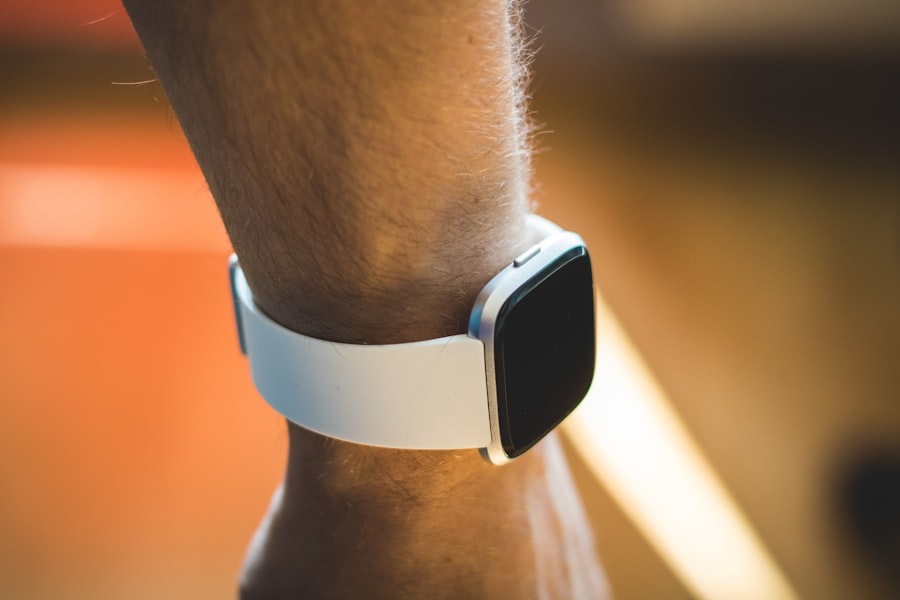
In our busy lives, the last thing we want is another device that needs constant charging. Battery life is a crucial consideration for any wearable, and both the Fitbit Air and the Luna Band have made claims about their longevity.
Fitbit Air: A Solid Week
The Fitbit Air is reported to offer a week-long battery life on a single charge. This is a pretty standard and respectable performance for a modern fitness tracker. For most users, this means you can get through a full week of sleep and activity tracking without needing to remember to charge it every night.
This consistent performance is a hallmark of Fitbit devices and contributes to their reputation for reliability. It’s enough battery to cover your daily routines and even a weekend away without having to pack a charger.
Luna Band: Pushing the Boundaries
Luna Band is claiming a slightly more impressive battery life, reporting up to 10 days on a single charge. While a difference of a few days might not seem monumental, over the lifespan of the device, it can certainly add up. A 10-day battery life means you can go for longer between charges, which is always a plus.
This extended battery life is particularly beneficial for its proposed AI features. If the device is constantly analysing your data to provide nudges and plan your day, having a longer-lasting battery ensures these features are accessible without worry.
- The Extra Two Days: For the Luna Band, those extra two days compared to the Fitbit Air could be a deciding factor for some. It means less frequent charging and potentially more uninterrupted tracking, especially if you’re someone who often forgets to charge devices.
- Real-World Performance: It’s worth remembering that quoted battery life figures are often based on ideal conditions. Actual usage, especially with screen brightness, GPS usage, and the intensity of AI processing, can affect how long the battery truly lasts. We’ll have to wait for real-world reviews to see how these devices perform under typical UK conditions.
Platform Compatibility: Who Can Use What?

In today’s interconnected world, ensuring a device works with your existing technology is paramount. We’re not all on the same operating system, so broad compatibility is key.
Fitbit Air: Android and iOS Friendly
Fitbit has always been good at ensuring its devices are accessible to as many people as possible. The Fitbit Air is compatible with both Android and iOS operating systems. This means that whether you’re an iPhone user or an Android enthusiast, you should have no problem pairing your Fitbit Air and accessing its features through the Fitbit app.
This broad compatibility is a significant advantage and contributes to Fitbit’s widespread appeal. It removes a potential barrier to entry for many consumers.
Luna Band: A Tale of Two Platforms
This is where things get a little more complex for the Luna Band. While it’s expected to be compatible with both Android and iOS for its core functionality, there’s a crucial difference regarding its voice logging feature.
As mentioned earlier, Luna Band’s voice logging utilizes Siri on the iPhone. This means that Android users will not have the same voice logging capabilities. For a device that heavily promotes its voice-first, AI-driven experience, this is a notable limitation for a significant portion of the potential user base.
- The Siri Dependency: This reliance on Siri is a point of concern for Android users. If voice interaction is a primary reason you’re considering the Luna Band, its absence on Android will be a deal-breaker.
- App Ecosystem: Both devices will have accompanying apps that are crucial for accessing detailed data and settings. The quality and user-friendliness of these apps, on both Android and iOS, will play a significant role in the overall user experience.
When considering the Luna Band versus the Fitbit Air, it’s essential to evaluate various factors such as design, functionality, and user experience. A recent article discusses the impact of content marketing and social networks on consumer purchasing decisions, which can provide valuable insights for anyone looking to invest in fitness trackers. You can read more about this topic in the article here. Understanding how marketing influences your choices may help you make a more informed decision between these two popular devices.
Market Positioning and Future Outlook: Who Wins the Long Game?
Finally, let’s consider how these devices are being positioned in the market and what their future prospects might be. This helps us understand the manufacturers’ intentions and the potential long-term impact each device could have.
Fitbit Air: The Safe and Practical Choice
Coverage and market analysis tend to frame the Fitbit Air as the safer, more practical buy right now. This is due to several factors:
- Established Brand Reputation: Fitbit has a proven track record of delivering reliable products and a strong user base. Consumers know what to expect.
- Proven Functionality: While potentially less groundbreaking than Luna Band, the features offered by Fitbit Air are well-understood and have been refined over years of development.
- Google Integration: The integration with Google’s health ecosystem provides a clear path for future development and data utilization.
Fitbit Air is likely to appeal to a broad audience looking for a dependable, feature-rich fitness tracker that seamlessly integrates into their existing tech life. It’s the sensible upgrade or the perfect starting point for many.
Luna Band: The Ambitious Underdog
The Luna Band is positioned as the more ambitious, but less proven device. This is understandable given its later launch and novel approach.
- Innovation vs. Risk: Luna Band is clearly aiming for innovation with its AI-driven “LifeOS.” This is exciting and could potentially redefine what a fitness tracker can do. However, with innovation comes risk. The AI needs to be genuinely useful and intuitive, and the voice-first approach needs to be seamless across all intended platforms (even if it has limitations).
- “Invite-Only” Launch: The description of its Drop 1 launch as “invite-only” suggests a cautious rollout, perhaps to iron out any early kinks or to build exclusivity. This approach can be effective but also creates a barrier to entry and might hinder rapid adoption.
- The No-Subscription Advantage: If Luna Band can deliver on its promise of a comprehensive, subscription-free experience that is genuinely helpful, it could carve out a significant niche, especially in markets like the UK where upfront costs and ongoing subscription fatigue are real concerns.
The success of the Luna Band will likely depend on how well its AI capabilities translate into everyday usability and whether it can overcome the platform limitations (particularly for Android users) to deliver on its ambitious promises.
So, which one is for you?
If you’re after a reliable, well-rounded fitness tracker from a trusted brand, and you’re happy with the idea of a subscription for advanced features, the Fitbit Air is likely your best bet. It’s the sensible, practical choice that’s available now and builds on familiar territory.
However, if you’re an early adopter, excited by the prospect of AI guiding your daily life, and you’re an iPhone user who values a subscription-free experience (or you’re willing to overlook the voice logging limitations on Android), the Luna Band might be the more intriguing option. It represents a bold vision for the future of wearables, and it will be fascinating to see if it can deliver on its ambitious promises.
Ultimately, the “ultimate fitness tracker showdown” isn’t about a single winner; it’s about finding the device that best suits your individual needs, your budget, and your technological preferences. Both the Fitbit Air and the Luna Band offer distinct advantages, and the choice between them will depend on what you prioritize in your wearable technology.
FAQs
What are the key features of Luna Band and Fitbit Air?
Luna Band offers features such as heart rate monitoring, sleep tracking, activity tracking, and smartphone notifications. Fitbit Air, on the other hand, provides features like step tracking, heart rate monitoring, sleep tracking, and workout tracking.
How do Luna Band and Fitbit Air differ in terms of design and display?
Luna Band features a sleek and modern design with a colour touchscreen display, while Fitbit Air has a more minimalistic design with a monochrome display.
What are the battery life differences between Luna Band and Fitbit Air?
Luna Band boasts a battery life of up to 7 days, whereas Fitbit Air offers a longer battery life of up to 10 days on a single charge.
Do Luna Band and Fitbit Air offer water resistance?
Luna Band is water-resistant up to 50 meters, making it suitable for swimming and showering. Fitbit Air also offers water resistance, allowing it to be worn during swimming and other water activities.
How do Luna Band and Fitbit Air compare in terms of price?
Luna Band is priced at £99, while Fitbit Air is priced at £129, making Luna Band the more affordable option.
