
In the ever-evolving landscape of the digital world, creativity stands as a cornerstone of effective web design. It is not merely about aesthetics; rather, it encompasses the ability to convey messages, evoke emotions, and create engaging user experiences. As we delve into the realm of web design, we must recognise that creativity allows us to differentiate ourselves from the competition.
A well-designed website can capture attention, retain visitors, and ultimately drive conversions. By harnessing our creative instincts, we can craft unique visual narratives that resonate with users and reflect the essence of a brand. Moreover, creativity in web design fosters innovation.
As we explore new ideas and experiment with different layouts, colour schemes, and typography, we push the boundaries of what is possible. This exploration not only enhances our skills but also keeps us abreast of emerging trends and technologies. In a field where user preferences shift rapidly, our ability to think creatively enables us to adapt and evolve.
By embracing creativity, we can create websites that are not only functional but also memorable, leaving a lasting impression on visitors.
Summary
- Creativity is essential in web design as it helps to create unique and engaging user experiences.
- When choosing an online web design course, consider factors such as course content, instructor expertise, and student reviews.
- Understanding the basics of web design, including HTML, CSS, and responsive design, is crucial for building a strong foundation.
- Stay updated on advanced techniques and trends in web design, such as animation, micro-interactions, and AI integration.
- Developing a personal style and brand as a web designer can help you stand out in a competitive industry.
Finding the Right Online Web Design Course for You
As we embark on our journey to become proficient web designers, selecting the right online course is crucial. With a plethora of options available, it can be overwhelming to determine which course aligns best with our goals and learning style. We should begin by assessing our current skill level and identifying specific areas we wish to improve.
Whether we are complete beginners or looking to refine our existing knowledge, there are courses tailored to meet our needs. When evaluating potential courses, we must consider factors such as course content, duration, and the credentials of the instructors. Reading reviews and testimonials from previous students can provide valuable insights into the effectiveness of a course.
Additionally, we should look for courses that offer practical projects or hands-on experience, as this will allow us to apply what we learn in real-world scenarios. Ultimately, finding the right online web design course requires careful consideration and research, but the investment in our education will pay dividends in our future careers.
Understanding the Basics of Web Design

Before we can delve into more advanced techniques, it is essential for us to grasp the fundamentals of web design. This foundational knowledge serves as the bedrock upon which we will build our skills. Key concepts such as layout, colour theory, typography, and user experience (UX) are integral to creating effective websites.
By understanding how these elements interact, we can design sites that are not only visually appealing but also user-friendly. One of the first steps in mastering web design is familiarising ourselves with HTML and CSS. These coding languages form the backbone of web development, allowing us to structure content and style it accordingly.
As we learn to manipulate these languages, we gain greater control over our designs and can implement custom features that enhance user engagement. Additionally, understanding responsive design principles is crucial in today’s mobile-centric world. By ensuring our websites function seamlessly across various devices, we can reach a broader audience and provide an optimal user experience.
Exploring Advanced Techniques and Trends in Web Design
| Technique/Trend | Description | Benefits |
|---|---|---|
| Responsive Design | Design approach aimed at crafting sites to provide an optimal viewing experience across a wide range of devices. | Improved user experience, better SEO, and cost-effectiveness. |
| Microinteractions | Subtle animations or visual responses that provide feedback to users when they interact with a website. | Enhanced user engagement and satisfaction. |
| AI and Chatbots | Integration of artificial intelligence and chatbots to provide personalized user experiences and customer support. | 24/7 customer support, improved user engagement, and efficiency. |
| Dark Mode | Design trend that offers a dark background with light text and elements. | Reduced eye strain, improved battery life for devices, and modern aesthetic appeal. |
Once we have a solid grasp of the basics, it is time to explore advanced techniques and current trends in web design. The digital landscape is constantly changing, and staying informed about new developments is essential for maintaining our competitive edge. Techniques such as parallax scrolling, micro-interactions, and animations can elevate our designs and create immersive experiences for users.
By incorporating these elements thoughtfully, we can engage visitors on a deeper level and encourage them to interact with our content. In addition to techniques, we should also keep an eye on emerging trends within the industry. For instance, minimalism has gained popularity in recent years as designers seek to create clean and uncluttered interfaces.
Similarly, dark mode has become a sought-after feature for many users who prefer a more subdued aesthetic. By staying attuned to these trends, we can ensure that our designs remain relevant and appealing to contemporary audiences. Embracing innovation while maintaining a strong foundation in design principles will allow us to create websites that stand out in an increasingly crowded marketplace.
Developing Your Personal Style and Brand as a Web Designer
As we progress in our web design journey, developing a personal style and brand becomes increasingly important. Our unique perspective and aesthetic sensibilities set us apart from other designers and help us establish a distinct identity in the industry. To cultivate this personal style, we should take inspiration from various sources—be it nature, art, or other designers’ work—while ensuring that our designs reflect our individuality.
Building a personal brand involves more than just aesthetics; it encompasses how we present ourselves professionally. We should consider how we communicate with clients and peers, as well as how we showcase our work online. Creating a cohesive portfolio that highlights our best projects is essential for attracting potential clients or employers.
By curating our online presence thoughtfully, we can convey our expertise and passion for web design while establishing credibility within the industry.
Utilizing Free Online Resources and Tools for Web Design
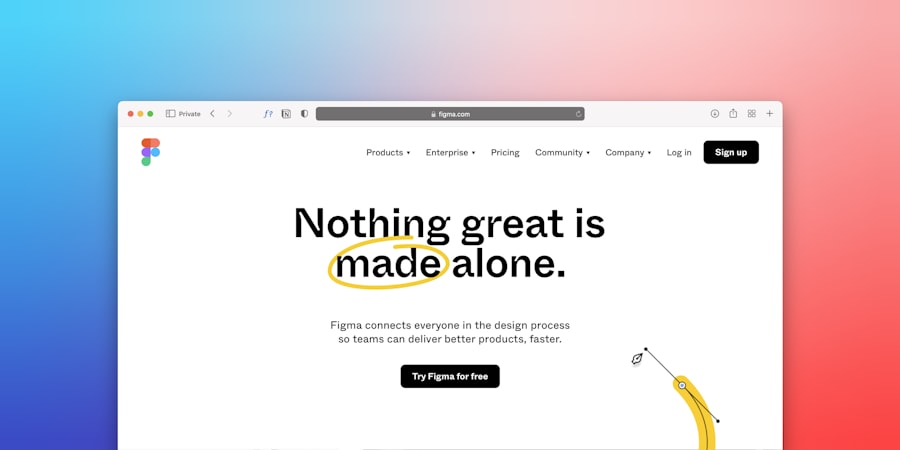
In today’s digital age, an abundance of free resources and tools are available to assist us in honing our web design skills. From tutorials and articles to design software and templates, these resources can significantly enhance our learning experience without straining our budgets. Websites like Codecademy and freeCodeCamp offer interactive coding lessons that allow us to practice HTML, CSS, and JavaScript at our own pace.
Additionally, design tools such as Canva or Figma provide user-friendly interfaces for creating stunning visuals without requiring extensive graphic design experience. These platforms often come with pre-made templates that can serve as inspiration or starting points for our projects. By leveraging these free resources effectively, we can accelerate our learning process and develop a diverse skill set that will serve us well in our web design careers.
Networking and Collaborating with Other Web Designers
Networking plays a pivotal role in our growth as web designers. Engaging with other professionals in the field allows us to share knowledge, gain insights into industry trends, and foster collaborations that can lead to exciting projects. We should actively seek out opportunities to connect with fellow designers through online forums, social media groups, or local meetups.
These interactions not only expand our professional network but also provide valuable support as we navigate challenges in our careers. Collaboration is another powerful tool for growth. Working alongside other designers can expose us to different perspectives and techniques that enrich our own practice.
Whether it’s participating in joint projects or simply exchanging feedback on each other’s work, collaboration encourages creativity and innovation. By building relationships within the web design community, we create a supportive environment that nurtures our development while opening doors to new opportunities.
Putting Your Skills to the Test: Creating Your Own Web Design Portfolio
Finally, as we refine our skills and build our knowledge base, it is essential for us to put everything into practice by creating our own web design portfolio. This portfolio serves as a tangible representation of our abilities and style, showcasing our best work to potential clients or employers. When curating our portfolio, we should select projects that highlight not only our technical skills but also our creative problem-solving abilities.
In addition to showcasing completed projects, including case studies that detail our design process can provide valuable context for viewers. By explaining the challenges we faced and how we overcame them, we demonstrate our critical thinking skills and ability to adapt to various situations. A well-crafted portfolio not only reflects our expertise but also tells a story about who we are as designers.
As we continue to grow in our craft, regularly updating our portfolio will ensure it remains relevant and showcases our latest achievements. In conclusion, embarking on a journey into web design requires dedication and creativity at every step. From understanding the fundamentals to exploring advanced techniques and building a personal brand, each aspect contributes to our growth as designers.
By utilising available resources, networking with peers, and creating a compelling portfolio, we position ourselves for success in this dynamic field. As we continue to learn and evolve, let us embrace the challenges ahead with enthusiasm and an open mind.
If you are interested in expanding your skills beyond web design, you may want to consider transitioning into UX design. This article provides valuable insights on how to make this career change successfully. By taking free online web design courses and then focusing on user experience design, you can enhance your portfolio and open up new opportunities in the field.
FAQs
What are free online web design courses?
Free online web design courses are educational programs that are available on the internet at no cost. These courses cover various aspects of web design, including HTML, CSS, JavaScript, and other relevant topics.
What can I learn from free online web design courses?
Free online web design courses can teach you the fundamentals of web design, including coding languages such as HTML and CSS, responsive design, user experience (UX) design, and more advanced topics like JavaScript and web development frameworks.
Where can I find free online web design courses?
You can find free online web design courses on educational platforms such as Coursera, Udemy, Khan Academy, and Codecademy. Additionally, many universities and colleges offer free web design courses through their online learning platforms.
Are free online web design courses accredited?
Most free online web design courses are not accredited, as they do not typically offer formal qualifications or certifications. However, they can still provide valuable knowledge and skills that can be applied to real-world projects and portfolios.
What are the benefits of taking free online web design courses?
The benefits of taking free online web design courses include the opportunity to learn at your own pace, access to high-quality educational resources, and the ability to develop practical skills that are in demand in the job market. Additionally, these courses can be a cost-effective way to explore a potential career in web design.
