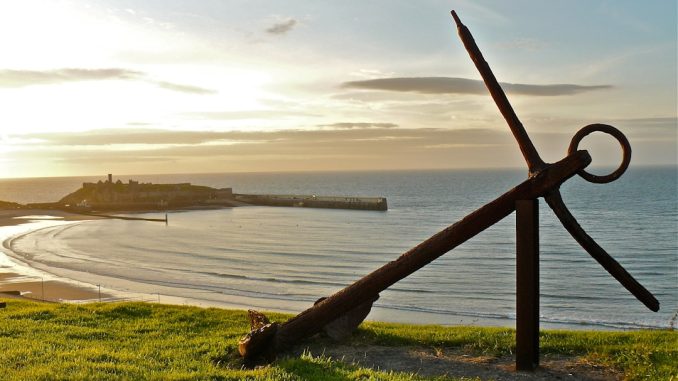
When we embark on our nautical adventures, one of the most crucial pieces of equipment we must familiarize ourselves with is the boat anchor. Anchors come in various shapes and sizes, each designed for specific conditions and types of vessels. The most common types include fluke anchors, which are known for their lightweight design and excellent holding power in sandy or muddy bottoms.
These anchors feature two or more flukes that dig into the seabed, providing a secure hold. Another popular type is the plow anchor, which resembles a plowshare and is effective in a variety of seabed conditions, including grass and rocky bottoms. Its design allows it to penetrate the seabed easily, making it a favorite among many boaters.
In addition to fluke and plow anchors, we also encounter mushroom anchors, which are particularly useful for smaller boats and in soft mud or silt. Their unique shape allows them to settle into the seabed, providing a strong hold as they become buried under the weight of the surrounding sediment. For those venturing into deeper waters or harsher conditions, we might consider a grapnel anchor, which is designed to snag onto rocks or debris.
Each type of anchor serves a specific purpose, and understanding these differences is essential for ensuring our safety and stability while moored. By recognizing the strengths and weaknesses of each anchor type, we can make informed decisions that enhance our boating experiences.
Key Takeaways
- Different types of boat anchors include plow anchors, fluke anchors, and mushroom anchors, each with their own advantages and disadvantages.
- Factors to consider when choosing a boat anchor include the type of seabed, the size and weight of the boat, and the prevailing weather conditions.
- The best anchors for different types of boats include Danforth anchors for small boats, and Bruce anchors for larger vessels.
- Top picks for lightweight and portable boat anchors include folding grapnel anchors and inflatable anchors for kayaks and canoes.
- Heavy-duty anchors for larger boats and harsh conditions include claw anchors and screw anchors for maximum holding power.
Factors to Consider When Choosing a Boat Anchor
As we set out to choose the right anchor for our vessel, several factors come into play that can significantly influence our decision. One of the primary considerations is the type of seabed we expect to encounter during our excursions. Different anchors perform better in specific conditions; for instance, fluke anchors excel in sandy or muddy bottoms, while plow anchors are versatile enough to handle various substrates.
Additionally, we must take into account the size and weight of our boat, as larger vessels require heavier anchors to ensure stability and security. The general rule of thumb is to select an anchor that weighs approximately one pound for every foot of our boat’s length, but this can vary based on other factors such as wind and current conditions. Another critical aspect to consider is the intended use of our boat.
Are we planning to spend extended periods at anchor, or will we be making quick stops? If we anticipate long stays, we might prioritize anchors with superior holding power, such as a plow or a claw anchor. Conversely, if portability is essential for our adventures, we may lean towards lightweight options like fluke anchors that are easy to stow and deploy.
Furthermore, we should also evaluate the materials used in anchor construction; stainless steel and galvanized steel are popular choices due to their durability and resistance to corrosion. By carefully weighing these factors, we can select an anchor that not only meets our needs but also enhances our overall boating experience.
The Best Anchors for Different Types of Boats

When it comes to selecting the best anchors for various types of boats, we must consider the unique characteristics and requirements of each vessel. For smaller boats such as kayaks or canoes, lightweight fluke anchors are often ideal due to their ease of handling and storage. These anchors can be easily deployed and retrieved, making them perfect for quick stops along the shoreline or while fishing in calm waters.
On the other hand, for larger sailboats or motorboats that may encounter rougher conditions, a plow anchor is typically recommended. Its ability to penetrate various seabed types ensures that it will hold securely even in challenging weather. For those of us who own larger vessels designed for offshore adventures, heavy-duty anchors like the Bruce or Danforth anchors may be more suitable. These anchors are specifically engineered to provide maximum holding power in deep waters and adverse conditions.
The Bruce anchor’s unique design allows it to set quickly and hold firmly in various substrates, while the Danforth anchor’s lightweight construction makes it easy to handle without sacrificing strength. By understanding the specific needs of our boats and the environments in which we operate, we can make informed choices about which anchors will best serve us on our journeys.
Top Picks for Lightweight and Portable Boat Anchors
When we prioritize portability and ease of use in our boating adventures, several lightweight anchor options stand out as top picks. One such option is the Fortress anchor, which is made from aluminum and offers an impressive strength-to-weight ratio. This anchor is not only easy to handle but also features a unique design that allows it to set quickly in various seabed conditions.
Its collapsible nature makes it an excellent choice for those who need to stow their gear efficiently without compromising on performance. Another fantastic lightweight option is the Sea-Dog fluke anchor, which is designed specifically for smaller boats and personal watercraft. Its compact size and lightweight construction make it easy to transport while still providing reliable holding power in sandy or muddy bottoms.
Additionally, its durable materials ensure that it can withstand exposure to saltwater without corroding over time. By choosing these lightweight and portable anchors, we can enjoy greater flexibility during our outings while maintaining confidence in our anchoring capabilities.
Heavy-Duty Anchors for Larger Boats and Harsh Conditions
For those of us who navigate larger boats or venture into harsher marine environments, selecting a heavy-duty anchor becomes paramount for ensuring safety and stability. One of the most reliable options available is the Rocna anchor, renowned for its exceptional holding power and ability to set quickly in various seabed types. Its unique design features a wide fluke that digs deep into the substrate, providing unparalleled security even in challenging conditions such as strong currents or high winds.
Another excellent choice for heavy-duty anchoring is the Mantus anchor, which has gained popularity among experienced boaters for its innovative design and robust construction. The Mantus anchor features a shank that allows it to self-right when deployed, ensuring optimal performance regardless of the seabed composition. This anchor is particularly effective in rocky or mixed bottoms where traditional designs may struggle to maintain a secure hold.
By investing in these heavy-duty anchors, we can navigate with confidence knowing that our vessels will remain secure even in the most demanding situations.
Maintaining and Caring for Your Boat Anchor

Proper maintenance and care of our boat anchors are essential practices that can significantly extend their lifespan and ensure optimal performance during our outings. After each use, it’s crucial that we thoroughly rinse our anchors with fresh water to remove any salt or debris that may have accumulated during our time on the water. This simple step helps prevent corrosion and buildup that could compromise the anchor’s effectiveness over time.
Additionally, inspecting our anchors regularly for signs of wear or damage allows us to address any issues before they become significant problems. We should also pay attention to the anchor chain or rope used in conjunction with our anchors. Regularly checking for fraying or kinks ensures that our anchoring system remains reliable when we need it most.
If we notice any signs of wear on the chain or rope, replacing them promptly can prevent potential accidents while at sea. Furthermore, storing our anchors properly when not in use—ideally in a dry location away from direct sunlight—can help protect them from environmental factors that may lead to deterioration. By committing to these maintenance practices, we can ensure that our boat anchors remain in top condition for all our future adventures.
Tips for Properly Anchoring Your Boat
Successfully anchoring our boat requires a combination of technique and knowledge about the environment around us. One of the first steps we should take is to assess the area where we plan to drop anchor; looking for clear water free from obstacles such as rocks or submerged debris is essential for ensuring a secure hold. Once we’ve identified an appropriate spot, we should approach slowly and drop the anchor from the bow rather than the stern; this helps prevent dragging as we come to a stop.
After dropping the anchor, it’s important that we allow enough scope—typically 5-7 times the depth of the water—to ensure a secure hold against wind and current forces. Once we’ve set the anchor, taking a moment to observe whether it holds firm by gently reversing against it can provide peace of mind before leaving the vessel unattended. Additionally, marking our position on a chart plotter or GPS device can help us return easily if needed.
By following these tips for proper anchoring techniques, we can enhance both safety and comfort during our time on the water.
Safety Precautions When Using Boat Anchors
Safety should always be at the forefront of our minds when using boat anchors; taking precautions can prevent accidents and ensure enjoyable outings on the water. One key safety measure involves ensuring that all crew members are aware of anchoring procedures before we begin; clear communication helps prevent misunderstandings during critical moments when dropping or retrieving an anchor. Additionally, wearing appropriate personal flotation devices (PFDs) while working on deck can provide an extra layer of safety should anyone accidentally fall overboard.
We should also be mindful of weather conditions before anchoring; strong winds or rapidly changing tides can affect how well an anchor holds. If conditions appear unfavorable, it may be wise to seek shelter or adjust our plans accordingly rather than risking an unsafe anchoring situation. Lastly, keeping emergency equipment readily accessible—such as a knife for cutting lines—can prove invaluable if we encounter unexpected challenges while at anchor.
By prioritizing safety precautions when using boat anchors, we can enjoy peace of mind as we explore the open waters together.
If you’re interested in enhancing your website’s user experience, particularly through effective landing pages, you might find this article useful. It provides detailed guidance on how to create landing pages that deliver. This resource is packed with tips on designing landing pages that not only look good but also convert visitors into customers by focusing on user-centric elements and conversion optimization techniques. Whether you’re a beginner or an experienced web designer, this article can help you improve your landing page strategy.
FAQs
What is anchor text?
Anchor text is the clickable text in a hyperlink. It is used to provide context and describe the content that the link leads to.
Why is anchor text important?
Anchor text is important for search engine optimization (SEO) as it helps search engines understand the content of the linked page. It also helps users understand what to expect when they click on a link.
What are the different types of anchor text?
There are several types of anchor text, including exact match anchor text (which includes the exact keyword or phrase being targeted), partial match anchor text (which includes a variation of the keyword or phrase), branded anchor text (which includes the brand name), and generic anchor text (which uses generic terms like “click here” or “learn more”).
What are best practices for using anchor text?
Best practices for using anchor text include using relevant and descriptive anchor text, avoiding over-optimization with exact match anchor text, and ensuring that the anchor text fits naturally within the context of the content.
How does anchor text affect SEO?
Anchor text is an important factor in SEO as it helps search engines understand the relevance and context of the linked content. It can also impact the ranking of the linked page for the targeted keyword or phrase.
